
Macro Photography
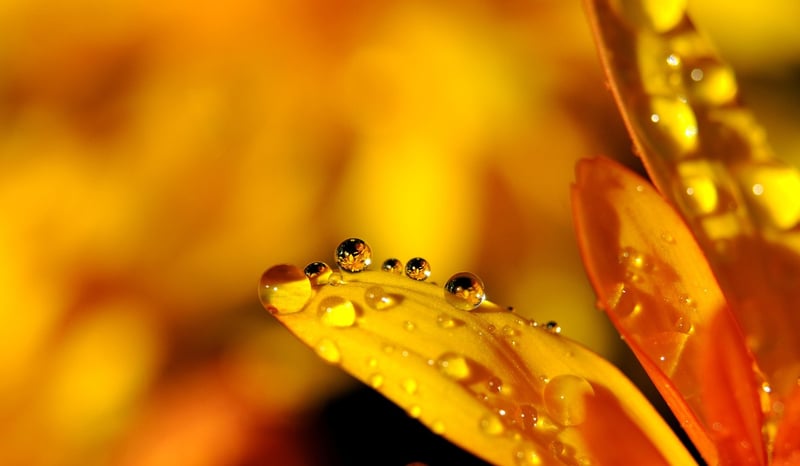
Macro Photography
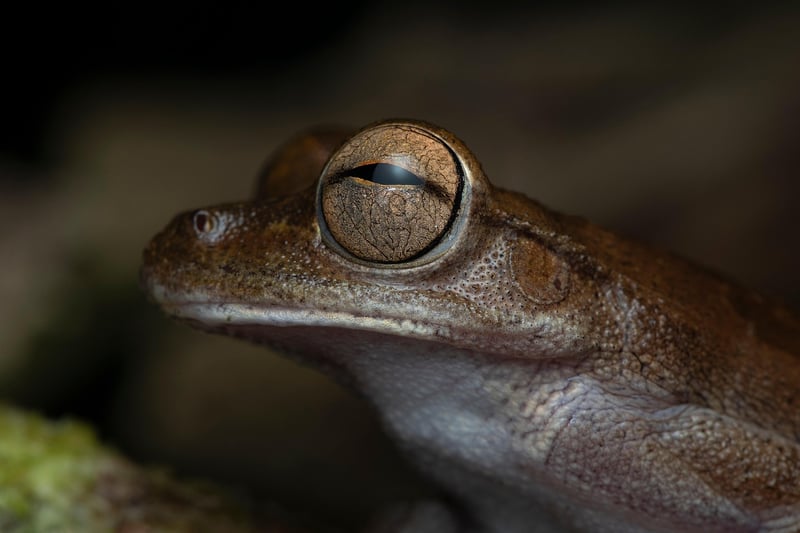
Master Your Skills in Macro Photography
Welcome to the world of macro photography, where small subjects become larger than life through the lens of your camera. Macro photography allows you to capture intricate details and reveal the beauty of tiny subjects that often go unnoticed. Whether you are a beginner looking to delve into the world of macro photography or an experienced photographer aiming to enhance your skills, this guide is here to help you master the art of close-up photography.
Understanding Macro Photography
Macro photography is a specialized form of photography that involves capturing small subjects at a magnified scale. It allows you to explore the intricate details of subjects such as insects, flowers, and textures, revealing a whole new world that is often unseen by the naked eye. To excel in macro photography, you need not only a good camera but also an understanding of the techniques and equipment required to capture stunning close-up shots.
Essential Equipment for Macro Photography
When delving into macro photography, having the right equipment is crucial to achieving sharp and detailed close-up shots. Here are some essential tools you will need:
- A macro lens: Invest in a dedicated macro lens with a high magnification ratio to capture intricate details.
- A sturdy tripod: Keep your camera steady and minimize shake by using a tripod, especially in low-light conditions.
- A macro light: Illuminate your subject with a macro light to highlight details and eliminate shadows.
- Extension tubes: Extend the distance between your lens and the camera sensor to achieve greater magnification.
Tips for Mastering Macro Photography
Here are some tips to help you master the art of macro photography:
- Focus carefully: Use manual focus and focus stacking to ensure that your subject is sharp and detailed.
- Experiment with composition: Explore different angles, perspectives, and framing to create visually appealing macro shots.
- Control your depth of field: Adjust your aperture to control the depth of field and highlight specific details in your subject.
- Use natural light: Take advantage of natural light to enhance the texture and colors of your subject.
- Practice patience: Macro photography requires patience and precision, so take your time to set up the perfect shot.
Explore the World of Macro Photography
Now that you have a better understanding of macro photography and the essential techniques involved, it's time to grab your camera and explore the world of close-up photography. Remember, practice makes perfect, so don't be afraid to experiment and push your creative boundaries to capture stunning macro shots.
Discover the beauty of small details and unleash your creativity through the lens of macro photography!