
Shooting in Low Light

Shooting in Low Light
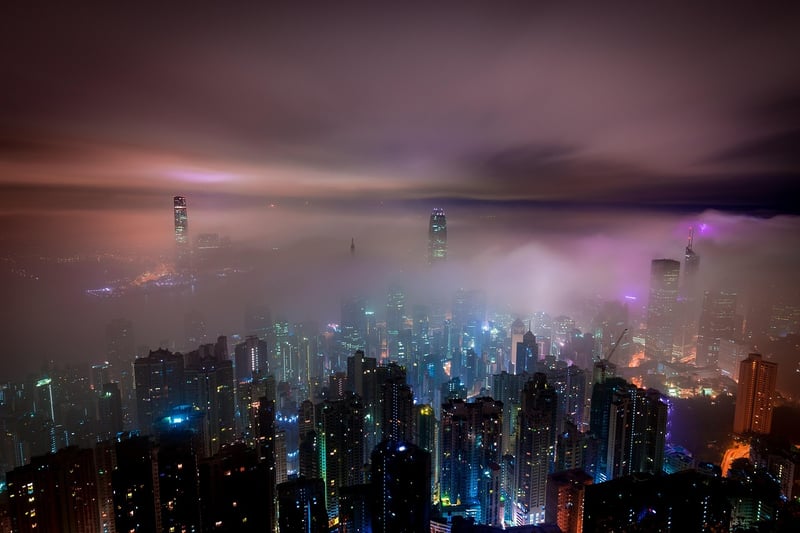
Master Your Skills: Shooting in Low Light
Photography is an art that requires a good understanding of light. While shooting in well-lit conditions is relatively easy, mastering the skill of shooting in low light can truly set you apart as a photographer. Low light photography presents unique challenges but with the right techniques, you can capture stunning images even in dimly lit environments.
The Importance of Shooting in Low Light
Low light photography allows you to create dramatic and atmospheric images. Whether you're capturing a cityscape at dusk, a portrait by candlelight, or the night sky filled with stars, shooting in low light opens up a world of creative possibilities.
Tips for Shooting in Low Light
- Use a Wide Aperture: A wide aperture (low f-stop number) allows more light to enter the camera, making it ideal for low light conditions.
- Slow Down Your Shutter Speed: In low light, you may need to use a slower shutter speed to allow more light to reach the camera sensor. Use a tripod to prevent camera shake.
- Adjust ISO Settings: Increase your camera's ISO setting to make it more sensitive to light. Be cautious as higher ISO settings can introduce noise to your images.
- Use a Prime Lens: Prime lenses with wider apertures are great for shooting in low light as they can let in more light compared to zoom lenses.
- Experiment with White Balance: Different light sources in low light can affect the color temperature of your images. Adjusting the white balance settings can help you achieve accurate colors.
Recommended Gear for Low Light Photography
- Fast Lens: Invest in a lens with a wide maximum aperture like f/1.8 or f/1.4 for better low light performance.
- Tripod: A sturdy tripod is essential for shooting in low light conditions, especially when using slower shutter speeds.
- Remote Shutter Release: A remote shutter release can help minimize camera shake when shooting at slow shutter speeds.
- Noise Reduction Software: To deal with noise in high ISO images, consider using noise reduction software during post-processing.
Practice Makes Perfect
Mastering the art of shooting in low light takes practice. Experiment with different settings, techniques, and lighting conditions to develop your skills and create stunning low light images that truly stand out.
Embrace the challenge of shooting in low light and let your creativity shine through your images!
Remember, the key to mastering any skill is patience and persistence. Keep honing your low light photography skills, and you'll soon be capturing captivating images even in the darkest of settings.